
Food science transformed the way individuals considered food in 2025. It taught researchers new facts about the impact of regular meals on the body, the condition of health in the long-term, and the environment. They examined breakfast smoothies and cupboard staples. Much of this year’s research was on the foods that already tend to be found in most kitchens, indicating that the slightest modifications in your diet can produce enormous results.
The Absorption of Antioxidants and Smoothies
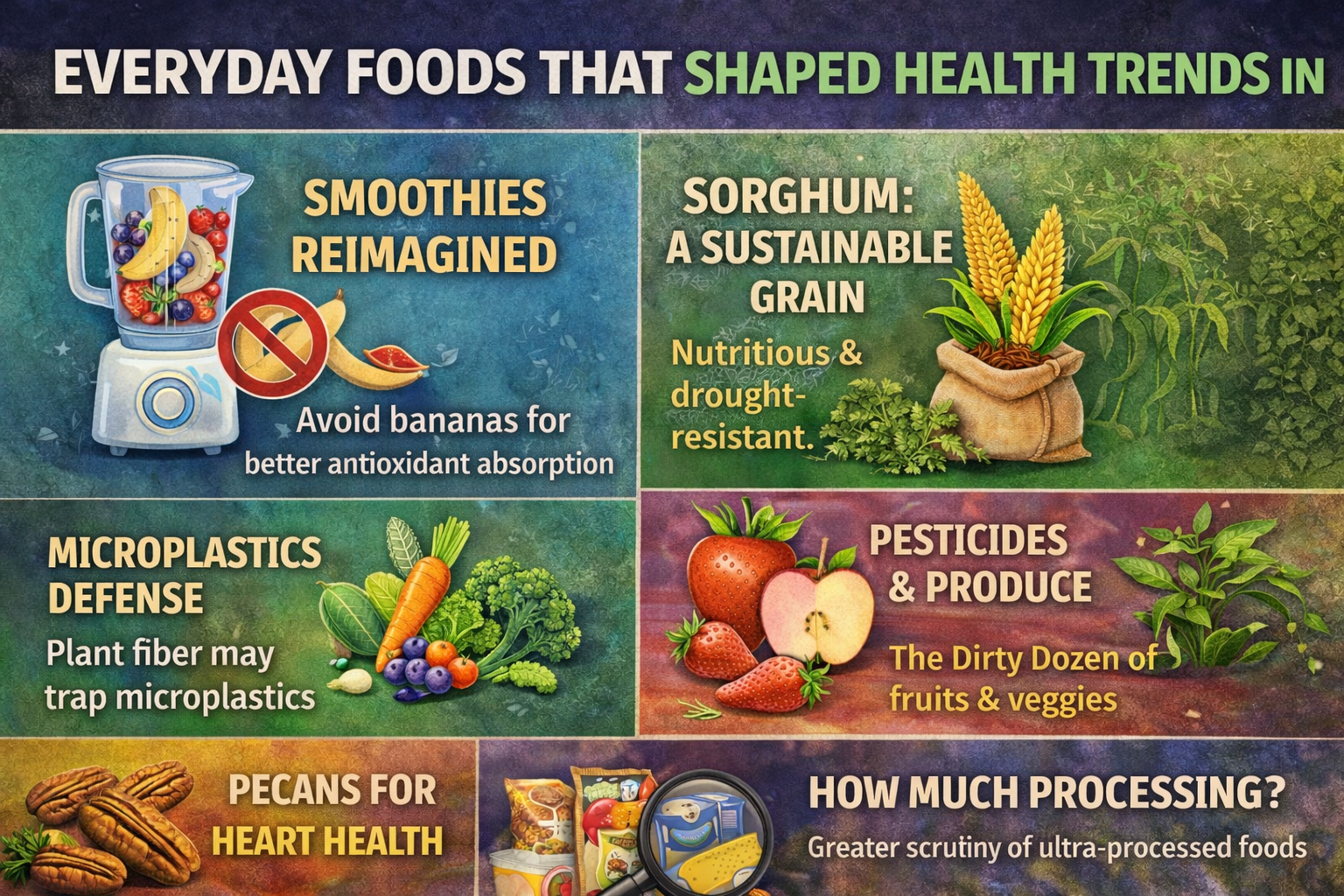
However, as early as 2025, smoothies remained some of the most popular health foods, with new studies putting long-established beliefs into question. Scientists discovered that when bananas are added to berry smoothies, it becomes a lot more difficult to absorb flavanols, heart and brain-beneficial, strong antioxidants.
Scientists discovered that the natural flavanols are decomposed by the enzyme polyphenol oxidase, which is naturally present in bananas, before they can be taken in properly. Smoothies without bananas in them, and particularly those that contained berries such as blueberries or strawberries, contained plenty of antioxidants in them. The findings caused people to rethink their combination of foods rather than discarding healthy stuff all the way.
Sorghum is becoming familiar as a staple grain.
An old grain turned into the most significant one in 2025. Grown in some regions of Africa and Asia since time immemorial, sorghum received significant publicity for its health benefits and environmental friendliness. Sorghum was also associated with improved digestion and blood sugar management since it contains a lot of fiber, plant protein and antioxidants.
A good decision was to use sorghum because it does not require a lot of water, and it can be cultivated in dry environments and in this case, with climate change being an increasing issue, this is a good choice. Food systems are under strain due to droughts and increased world demand. Sorghum has emerged as a viable alternative to rice and wheat, which among the crops consume high resources.
Exposure of plant foods to microplastics
Among the most unexpected food-related news of the year was the discovery of microplastics. Research has identified that certain fruits and vegetables can aid in the defense of the body against these microscopic plastic components that are getting increasingly prevalent in the food and water systems.
Colorful, high-fiber, and natural color plant meals were found to be stuck to microplastics along the digestive tract, which disposed of them. The study is in progress, but the findings demonstrated that high-fiber diets are healthy and provided you with another reason to consume more fruits and vegetables on a daily basis.
Pesticides and the Dirty Dozen List of Fruits and Vegetables
In 2025, people were still concerned about exposure to pesticides. Annual tests revealed that some of the fruits and vegetables that people consume in large quantities had higher chances of containing chemical residues as compared to others. Among the most affected were apples, grapes, potatoes, strawberries, spinach and kale.
Health experts emphasized that even some of the foods are not bad and should not be avoided at all. Rather, it was a recommendation to wash the food properly, peel where needed, and use organic as much as possible. The results gave rise to new debates about the way farming is done and consumer consciousness, rather than making people less inclined to consume fruits and vegetables.
The Pecans and Their Heart-healthy Benefits
Nuts still received positive coverage in the field of nutrition, including pecans in 2025. Researchers discovered that daily consumption of unsalted nuts was associated with a reduction in the level of LDL cholesterol, one of the most significant risk factors of heart disease.
The good fats, fiber and plant chemicals appeared to work in favor of the heart when pecans were consumed as opposed to other less healthy snacks. Scientists cautioned that you still have to be careful with portions since nuts contain a lot of calories despite being healthy.
The Microscopic Identification of Processed Foods
The discovery of the process of food processing became a hot issue of the year. Scientists invented alternative methods of testing meals according to the extent to which they were altered, as compared to the original form. These techniques depicted large differences between ultra-processed and minimally processed foods of the same categories.
As an example, the simplest fermented dairy products were most likely to be considered the least processed and flavored and sweetened ones were the most highly processed, as they involved the addition of sugars and other substances. The work informed individuals to be more careful in reading labels and, when possible, be more attentive to easier-to-comprehend ingredient lists.
Cognitive Health Green Tea
The use of green tea as an old beverage re-emerged in 2025 due to its potential effects on mental and metabolic health. Research has indicated that consuming green tea on a regular basis can improve mood, reduce inflammation and improve cognitive functions, particularly among older adults.
The scientists hypothesized that bioactive compounds in green tea can not only improve the health of the brain but also help people to sleep better and increase their metabolic rate. Green tea was not claimed as a panacea, but it did not refute the assumption that what you practice in your daily routine can have an impact on your health in the long run.
What Food Research Found in 2025
Food discoveries of the year 2025 helped to see that people do not influence the health outcomes only by what they consume. They also respond to the blending, processing and sourcing of foods. The yearly study emphasized informed choices, moderation, and balance rather than dietary requirements.
No matter how people shifted the components of their smoothies and rediscovered old grains in 2025, the relationship between science and daily eating was shifting. With the ongoing studies of the impact of food on the body and the environment, individuals can make improved and informed decisions at the table.
Meta Description
From smoothies to grains, discover how everyday foods influenced health, nutrition, and consumer choices in 2025.