
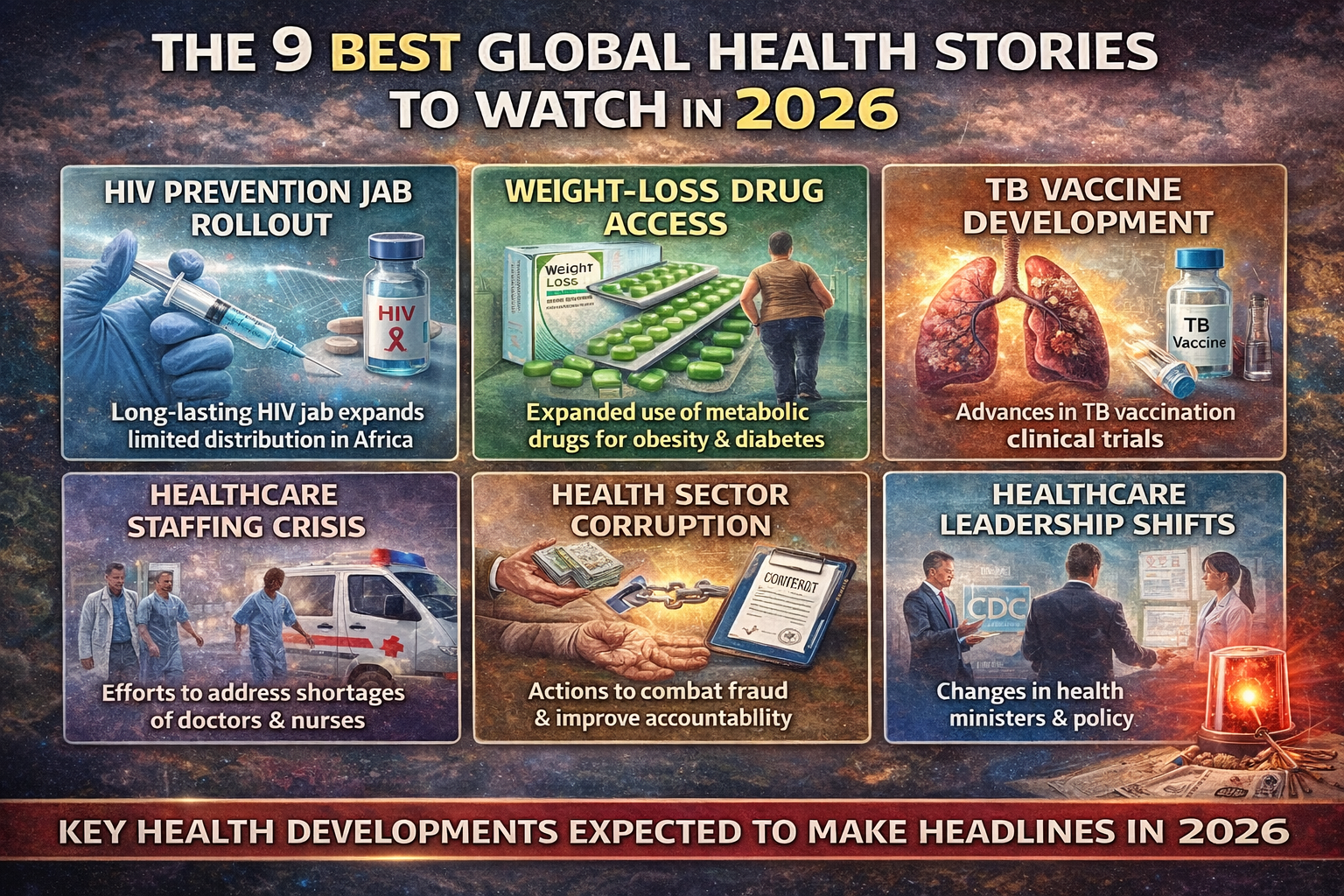
In 2026, a long-acting jab that prevents HIV transmission, lenacapavir, will be rolled out with limited use. The jab has the potential to provide up to six months of protection after a single injection, replacing the daily oral pre-exposure prophylaxis (PrEP). First, it will be sold to the high-risk population, in particular, in sub-Saharan Africa, where HIV is at a high level. Some of the health authorities are monitoring the process by monitoring uptake, distribution logistics and compliance rates to ensure the process is effective. Initial information on performance in the field will be used to make scaled-up decisions, and factors like cost, supply chain management, and training of healthcare workers are imperative to the success of an intervention such as this one that aims at prevention.
Availability of Weight-Loss and Metabolic Drugs
Drugs originally used as treatments for type 2 diabetes, including GLP-1 receptor agonists, are also turning out to have weight-loss effects. Oral formulations of these drugs are set to be released in the year 2026, and this will increase access and enhance treatment. These drugs would have the potential to treat obesity and associated metabolic conditions on a population scale, and affordability is still an issue in most of the low- and middle-income countries. Availability is meant to be enhanced through expired patents and generic production. Health systems will have to integrate these therapies into clinical practice guidelines so that there is equitable distribution and attention to side effects, adherence, and overall outcomes of different populations.
Vaccine Development of Tuberculosis
Tuberculosis (TB) is a significant issue that has a high burden on the whole world. The number of deaths is over one million every year. In 2026, the late-stage TB vaccine candidates, including M72, will give updated clinical trial outcomes. Such vaccines seek to enhance the low efficacy of the BCG vaccine. The positive results might bring changes to the immunization practice, especially in high-burden countries. Health authorities are evaluating the ability to produce, the cost implications, and the integration with national TB programs. The issue of safety, immunogenicity and long-term protection will be of critical importance to monitor since these vaccines may become critical factors in reducing the occurrence of TB and enhancing the overall health outcomes of the population in the world.
Staffing Problems in Healthcare
The worldwide healthcare systems still face severe shortages of physicians, nurses, and other related healthcare providers. Some of the causes of these shortages are migration of skilled employees, burnout and lack of investment in training and retention. The shortage of qualified medical staff directly influences the treatment of patients, laboratory work, and emergency response to the outbreak of an epidemic. Governments and health organizations are also taking measures to educate new employees, retain the employees, and advance the working conditions. To ensure the quality of services and avoid healthcare disruptions, it is necessary to address these gaps. The workforce planning has continued to be of priority to maintain routine, as well as emergency medical service.
Corruption and accountability in the health sector
Procurement, infrastructure projects, and service delivery within the healthcare systems are still being affected by corruption. Research on anomalies of previous contracts and projects is still in progress. By 2026, it will be a question of whether authorities and facilitators will be held responsible for their actions. To conserve resources and ensure that people have confidence, it requires transparent procedures, implementation of anti-corruption policies, and surveillance systems. Corruption may compromise access to care, increase the cost, and decrease the quality of provided services. The governance reforms and whether the health systems will be able to operate efficiently, fairly and ethically will be determined by the legal and administrative actions taken this year.
Novelties in Healthcare Leadership
The global landscape of healthcare leadership is undergoing tremendous changes because of political reshuffles, policy issues, and performance reviews. There is a possibility of changing or transferring ministers, senior bureaucrats, and hospital executives in 2026. These changes are capable of affecting the sustainability of health programs, policy execution and strategic decision making regarding disease prevention, immunization campaigns and public health interventions. Longevity in leadership is especially important in countries that have centralized governance systems of large public health systems. These changes have an implication on operational efficacy, resource distribution, and synchronization of healthcare services within regions.
Legal Challenges in National Health Insurance
Countries that are seeking National Health Insurance (NHI) or universal health coverage are having legal battles. There is a demand to interpret the legality and compliance of the procedures of these initiatives in courts. It is the results of such legal proceedings in 2026 that will dictate the manner in which healthcare is funded, organized, and used by citizens. Delays or changes in implementation may have an impact on the level of coverage, resource expenditure and sustainability of the program. Legality is used to ensure that the NHI policies meet the requirements established by the constitution and regulations, as well as to protect the rights of the patients. Court rulings will be observed by the health authorities to determine planning and gradual programs of universal healthcare.
Confidence in Health Institutions
The regulatory bodies and disease control centers, along with the national and international health organizations, remain under the control and scrutiny of the people and politics. The necessity to be self-sufficient and transparent is crucial to make evidence-based decisions based on scientific evidence. Public trust is required in order to attain vaccine uptake, treatment adherence and compliance with public health guidelines. The validity of these bodies will have a close evaluation in 2026, especially during the incessant health problems affecting people and new outbreaks of epidemics. The success of these institutions in protecting the health of the population will depend on policies, communication, and scientific standards.
Impact of Aid Cuts on World Health Programs
The cut in international health aid has already been experienced in the programs of HIV, TB, immunization and other fundamental services. The effects of such funding deficits will still be observed in 2026 by countries and global agencies. Health systems have to transform their low external resources and sustain their services. Multilateral organizations are evaluating measures to protect affected programs, continuity of care and avoidance of treatment coverage declines. The skills to address funding issues will affect the population health outcomes, maintenance of the currently operated programs, and the achievement of global health goals in preventive and curative actions against diseases.