
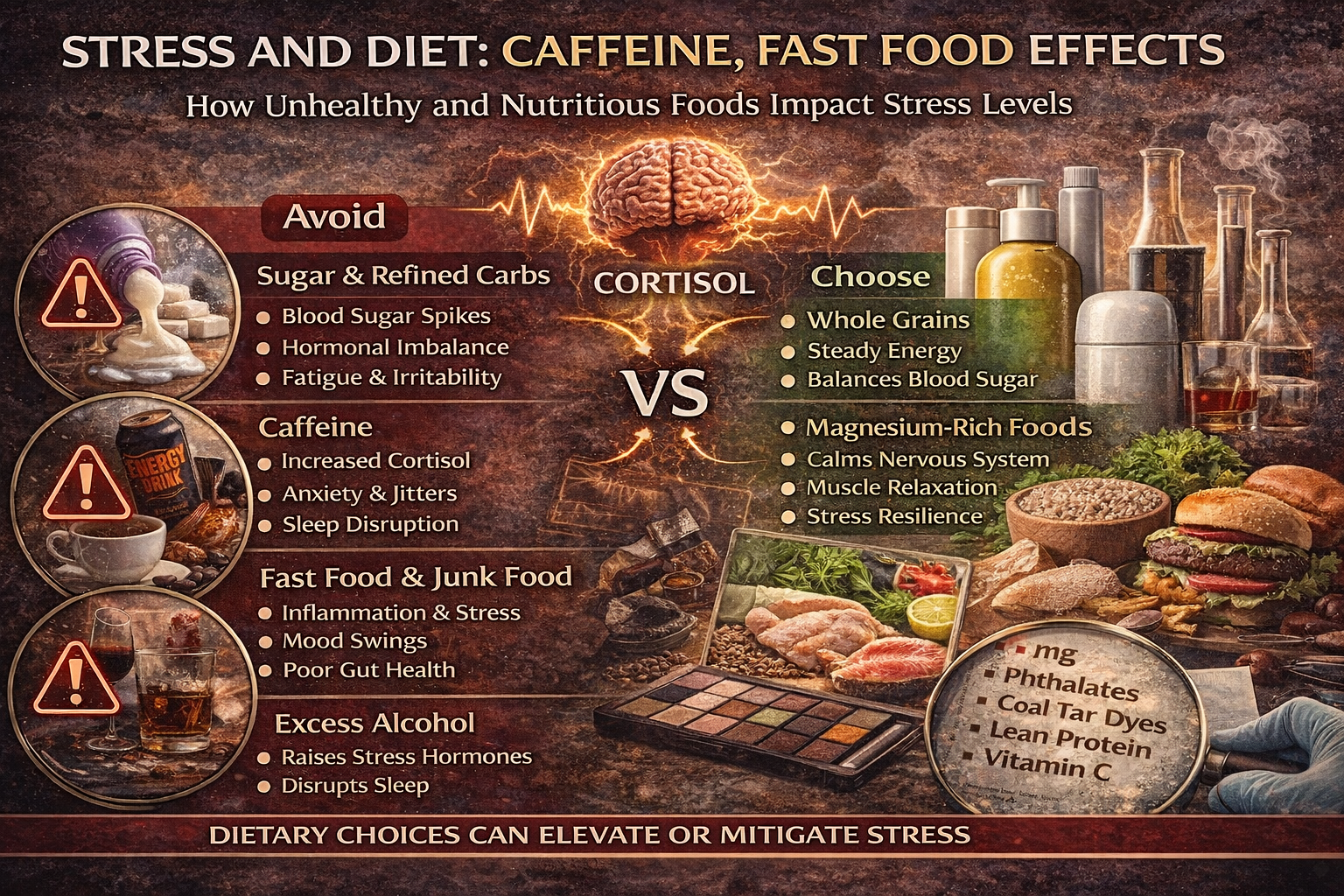
Stress has become a close companion to numerous people in the modern world that is marked by hectic schedules. Professional ambitions, familial tasks, economic strains and inconsistent sleep habits may make individuals irritated, nervous, and oppressed. Although exercise, meditation and sleep hygiene are commonly used as stress management strategies, nutrition is a crucial issue that defines how the body will react to stress. The things we eat may have a direct impact on stress hormones, specifically cortisol that governs blood sugar, inflammation, energy production, sleep patterns and immune function. Higher cortisol concentrations in the long-term may affect the physical and mental well-being of a person, such as the mood, metabolism, heart diseases, and cognitive abilities.
Nutritionists and endocrinologists note that diet is either a trigger of stress reactions or a way to keep the physiological condition more balanced and calm. Foods that raise blood sugar levels, cause inflammation, or overstimulate the nervous system tend to elevate cortisol, whereas foods rich in nutrients maintain blood sugar levels and help in the activity of neurotransmitters. Knowledge of the influence of various food groups can help the population make well-informed decisions that will help reduce stress and enhance overall well-being.
Carbohydrates (Refined sugar and processed carbohydrates) are a source of stress.
The common items of most diets include sugary drinks, candies, pastries, white bread, and other refined products of flour, which can be a major source of stress. These foods are high-energy fast boosters, although they also lead to extreme rises and falls in blood glucose levels. In case of an excessively fast rise in blood sugar, the insulin is released to bring it to normal levels, and this leads to cortisol secretion to take care of energy balance. Regular exposure to these sugar spikes may lead to the chronic oversecretion of cortisol, which will cause people to feel tired, fussy, and anxious.
Moreover, excessive intake of sugar may lead to a vicious circle. Blood sugar crashes cause more cravings for sugary foods and thus contribute to the further activation of stress hormones. Research has attributed increased consumption of refined carbohydrates to increased anxiety levels, mood disturbances, and reduced capacity to withstand stressors in day-to-day activities. As such, a balance in sugar consumption and the substitution of refined products with whole grains may be of great help in stress management and energy balance.
Too much Caffeine and the Impact it has on the Nervous System
A good number of humans depend on coffee, power drinks, and hardcore teas to fuel them through their hard days of work or during late-night engagements. Although a moderate level of caffeine may enhance alertness and concentration, high levels of it, especially when an individual is on an empty stomach, over stimulates adrenal glands. The resulting effects of this stimulation are an increase in cortisol and adrenaline secretions that are the hormones behind the fight or flight response.
With time, the consequences of excessive consumption of caffeine are jitteriness, increased anxiety, lack of concentration, and sleep disorders. The natural circadian rhythm of cortisol might be disrupted as well through chronic overstimulation, which is a cause of fatigue in the daytime and inability to sleep at night. Studies have shown that caffeine-sensitive people have exaggerated reactions to stress, and regular excessive use can result in a physically dependent condition, which aggravates mood and energy disorders.
Quick Processed Food and Fast Food are triggers of Inflammation
Packaged snacks, fast food meals, and ultra-processed products have a tendency to be rich in trans fats, refined oils, sodium, and artificial additives. These substances are able to initiate inflammatory pathways in the body, and one of the responses is the activation of stress-related responses in the body as the body responds to the immune system. Chronic low-grade inflammation not only has an impact on physical health but also interferes with the role of neurotransmitters in controlling mood and emotional resilience.
Fast food consumption has also been linked with anxiety, depression, and chronic stress. As an example, the regular consumption of fried foods and processed snacks rich in fats is associated with microbiome changes in the gut and the inability of the neurotransmitters to be produced, as well as affecting emotional and cognitive reactions. The role of nutrition professionals is to decrease the intake of fast food and focus on the consumption of whole and minimally processed food materials to reduce inflammation and improve overall well-being.
Drinking Alcohol may increase stress hormones.
Most people consume alcohol as a form of relaxation since they feel that it may ease stress. Nevertheless, alcohol consumption overconsumption interferes with the natural drop of cortisol at night, which is essential in restorative sleep. Alcohol also turns off the nervous system, neurotransmitter balance and mood stability. This cycle of poor sleep, the following spike in cortisol levels on the next day, and emotional vulnerability can be formed as time goes by due to the use of alcohol to deal with stress. The moderate daily alcohol intake may have a negative effect on stress regulation in vulnerable individuals, which underscores the need to exercise moderation.
Whole Grains to Even-Out Energy and Stress
The whole grains, such as oats, brown rice, quinoa, barley and whole wheat, are slow to process and give a constant supply of glucose. Whole grains do not raise cortisol spikes like refined carbohydrates do; hence, they do not cause a sudden rise in blood sugar. They contain a strong level of fiber, B vitamins, and needed minerals, which promote the metabolic processes and health of the nervous system. To sustain adequate energy, stabilized mood, and hormonal balance, especially during stressful events, nutritionists advise the use of whole grains in daily meals.
Foods Rich in Magnesium Are Nourishing to the Nervous System
Magnesium plays a crucial role in the regulation of the nervous system and the relaxation of muscles. Magnesium is found in abundant amounts in dark leafy greens, nuts, seeds, legumes, and beans. Through a sufficient amount of magnesium, this will assist the body in handling stress by relaxing the overactive circuitry of the brain, in addition to aiding the normal production of neurotransmitters. Studies have revealed that patients with magnesium deficiencies have a high chances to develop stress, anxiety, and sleeping disorders. The emotional resilience along with the physiological one can be supported with the help of incorporating magnesium-enriched foods into a balanced diet.
Omega-3 Fatty Acids Decrease Inflammation and Mood
Fatty acids such as salmon, sardines, mackerel, walnuts and flaxseeds, which are rich in omega-3 fatty acids, possess strong anti-inflammatory properties. They have a positive effect on brain functionality and stress response balancing by maintaining cortisol levels and healthy neurotransmitter functioning. Consumption of omega-3s regularly has been linked with better mood, lower anxiety and lower markers of physiological stress. Nutritionists tend to suggest the intake of foods rich in omega-3 several times a week to improve cognitive abilities and stress coping.
Protein-Rich Foods Stabilize Blood Sugar and Support Neurotransmitters
Good sources of protein like eggs, lentils, yogurt, lean poultry and plant-based proteins are good sources of protein that help ensure constant blood sugar levels. Proteins are also the source of important amino acids needed to synthesize neurotransmitters such as serotonin and dopamine that are important regulators of mood and emotional well-being. Regular protein in the daily diet enhances energy crashes, brain performance, and emotional strength during stressful situations.
Vitamin C Foods Lower Cortisol and Boost Immunity
Citrus fruits, berries, bell peppers, and am]la (Indian gooseberry) are rich sources of vitamin C, a critical antioxidant. Studies show that vitamin C has the ability to decrease cortisol release, strengthen immune response and alleviate oxidative stress due to chronic stress. Vitamin C in fruits and vegetables could be included in the diet and snacks to balance the hormones and safeguard mental and physical health.
Creating a Cortisol-Independent Diet
Although the role played by individual foods is significant, the overall consumption and the consistency of consumption of food make a big impact on the regulation of stress hormones. Missing meals, consuming processed snacks, irregular eating or carb and fat swings may break cortisol rhythms and exacerbate stress. It is advised by experts to eat balanced, regular meals that include whole grains, protein, good fats, magnesium, vitamin C, and omega-3 fatty acids. Healthy hydration, conscious eating, and caffeine, alcohol, and ultra-processed foods are the elements that make up a diet pattern that contributes to physical and emotional well-being.
Paying attention to the rich and minimally processed food and arranging routine eating habits, a person can decrease the physiological effects of stress, stabilize the level of energy, and improve their well-being in general.