
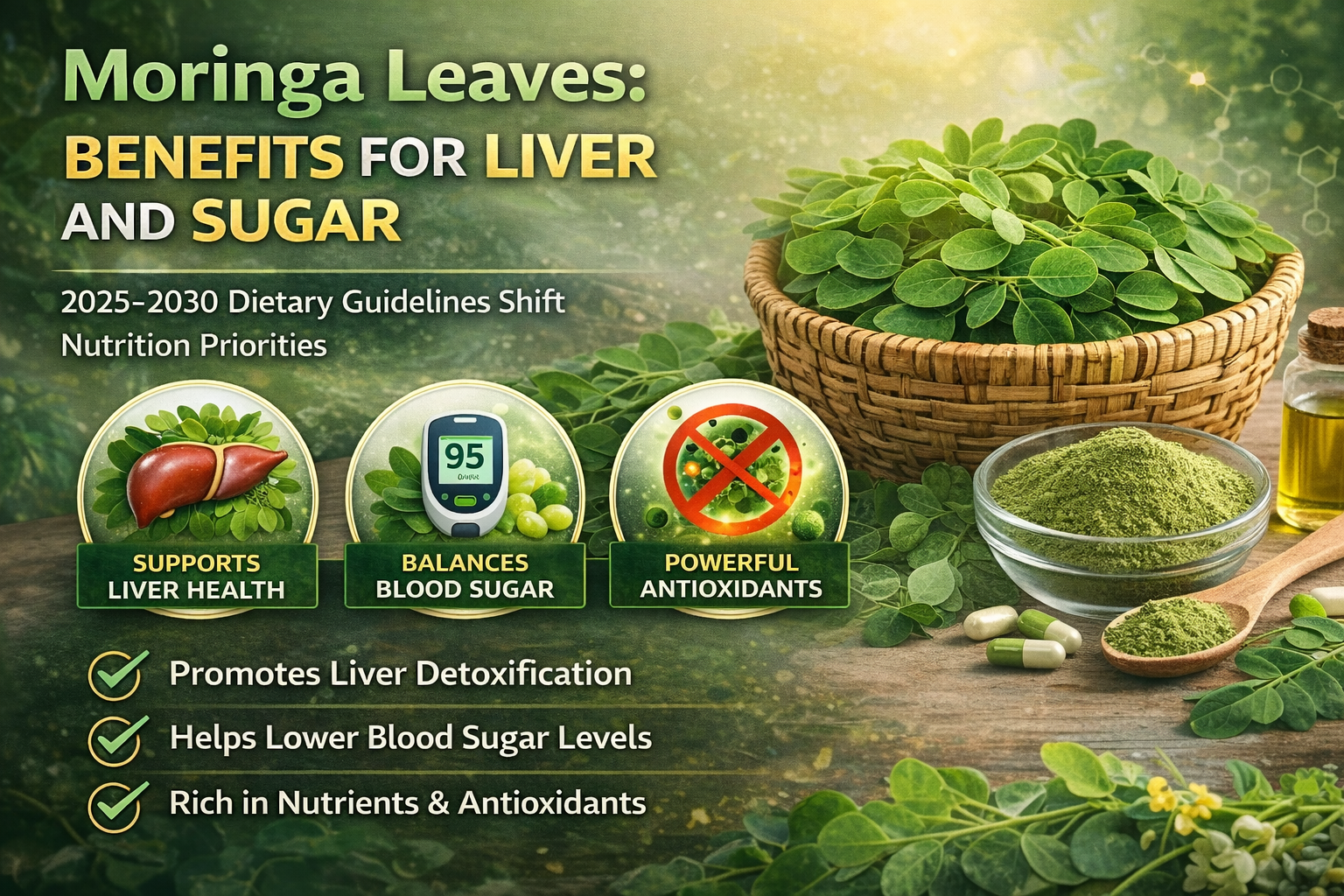
Moringa foliage, the leaves of the Moringa oleifera plant, are now beginning to be considered as potentially beneficial healthwise, especially in such areas as metabolism and liver health. Moringa is sometimes known as the miracle tree and has been used for centuries in traditional medicine in India, Africa and some Southeast Asian countries. Currently, the scientific community is increasingly interested in the plant due to its investigations into the nutritional value of the plant and its potential effects in treating diseases.
Vital nutrients contained in the moringa leaves are vitamins A, C and E, calcium, potassium, iron and plant-based protein. They also have bioactive compounds like flavonoids, polyphenols and antioxidants like quercetin and chlorogenic acid. It is assumed that these constituents contribute to the decrease in inflammation, oxidative stress and metabolic functionality.
Possible Advantages of Fatty Liver Disease
The problem of non-alcoholic fatty liver disease (NAFLD) is gaining more popularity in the whole world, and this can be attributed to the fact that people are living inactive lives, unhealthy eating habits and obesity are on the increase. It is a condition that arises when there is too many fats in liver cells, which is likely to cause swelling and damage to the liver in the long run.
Studies indicate that the moringa leaves can be used to reduce fat in the liver. It is believed that the presence of antioxidants in moringa can counter the existence of harmful free radicals that cause oxidative stress, which plays a significant role in the development of fatty liver disease. The results of some animal research indicated that the extract of moringa leaf can enhance the level of liver enzymes and lower the levels of fat in liver tissue.
Moreover, the anti-inflammatory effects of moringa can be used in reducing liver inflammation because of metabolic disorders. Although there is a dearth of human research on moringa supplementation, preliminary results supply support that moringa could be used to promote liver health in combination with lifestyle-interventions, including a balanced diet and physical activity.
Blood Sugar Control and Diabetes Treatment
Moringa has also been of interest in another area, namely in management of blood sugar. The condition of high levels of blood glucose is a symptom of type 2 diabetes and insulin resistance. Some of the compounds in moringa leaves are said to contribute to the reduction of blood sugar by enhancing the blood insulin sensitivity and delaying the rate at which sugar enters the blood.
One of the plant chemicals in moringa is chlorogenic acid, and this can potentially affect the processing of sugar and insulin reactions in cells. In small-scale studies, people who took moringa leaf powder over meals showed a decrease in the level of fasting blood glucose.
Moreover, moringa includes fibre, which might also aid in controlling the blood sugar due to the ability to slow down the digestion process and avoid a sharp increase in the glucose level after the meal. Although these results are encouraging, medical professionals suggest that patients with diabetes should talk with medical professionals before adding moringa supplements to their diet, particularly when using drugs that lower glucose levels.
Cholesterol and Cardiovascular Diseases
Metabolic disorder such as fatty liver disease and diabetes is usually linked with high cholesterol. Early studies have shown that the Moringa leaves have the potential to reduce the amount of low-density lipoprotein (LDL) cholesterol, also referred to as bad cholesterol.
Moringa could have a beneficial effect on the general cardiovascular status by enhancing lipid metabolism. Certain studies have noted to have reduced the level of total cholesterol and triglycerides with the supplementation of moringa. The antioxidant substances contained in the leaves can also find application in the prevention of oxidative damage to blood vessels, in favor of heart conditions.
Even though these results are promising, further clinical research should be conducted in larger sample sizes in order to come up with conclusive evidence about the effects of moringa on the prevention of cardiovascular diseases and cholesterol.
Anti-Inflammatory and Antioxidant
Many chronic diseases, such as diabetes, cardiovascular disorders and liver conditions, have inflammation and oxidative stress underlying the diseases. The leaves of moringa are rich in antioxidants, which are able to counter unstable molecules referred to as free radicals. Moringa can prevent cell damage and tissue damage by lowering oxidative stress.
Quercetin and beta-carotene are some of the compounds that help in making the plant have anti-inflammatory effects. The properties can potentially decrease the systemic inflammation in the body that contributes to the metabolic syndrome and related health issues.
Moringa has also been utilized in traditional medicine to aid in the immune system and boost energy and general well-being. Its high nutrient content makes it an effective supplement to the diets that are deficient in the necessary vitamins and minerals.
Weight Management Assistance
Eating healthy is among the most effective measures of preventing and controlling fatty liver disease and type 2 diabetes. The moringa leaves contain low calories but are very nutritious and fibrous, and may facilitate the feeling of satiety and curb overeating.
Moringa may indirectly contribute to the weight management effort by sustaining the normal level of sugar in the blood and enhancing its efficiency in metabolism. It is, however, not an alternative to organised diet plans or exercises. Weight management should be conducted through extensive lifestyle changes.
Forms and Consumption
The moringa leaves are eaten in many different forms, such as fresh leaves, dried powder, capsules and herbal teas. Moringa leaves are freshly put in curries, soups and lentil meals in most Indian families. Powder is frequently added to smoothies or sprinkle salads.
Quality and sourcing are critical factors to be considered when selecting moringa supplements. Pure and specific dosage is usually prescribed by using standardized products of well-known manufacturers.
Safety Considerations
Although the moringa leaves are relatively safe when eaten in moderation, overeating can lead to digestive problems among certain people. Pregnant and breastfeeding mothers are recommended to seek the advice of healthcare professionals before taking moringa supplements.
Those who are using drugs to regulate diabetes, high blood pressure or thyroid hormone levels are advised to take caution because moringa could affect the level of sugar in the blood as well as blood pressure. With the introduction of any herbal supplement into a treatment plan, it is recommended to monitor and medically supervise the patient.
Growing Global Interest
With the rise of awareness on plant-based nutrition and natural remedies, moringa has become popular in India as well as in the global wellness markets. Its therapeutic value continues to be explored by nutritionists and researchers, especially in relation to lifestyle-related disorders.
However, regarding the promising results, professionals note the necessity of the evidence-based application. Although moringa has potential in the treatment of metabolism and liver complications, it must be used as a complementary therapy and not as an isolated therapy when addressing chronic illnesses.