
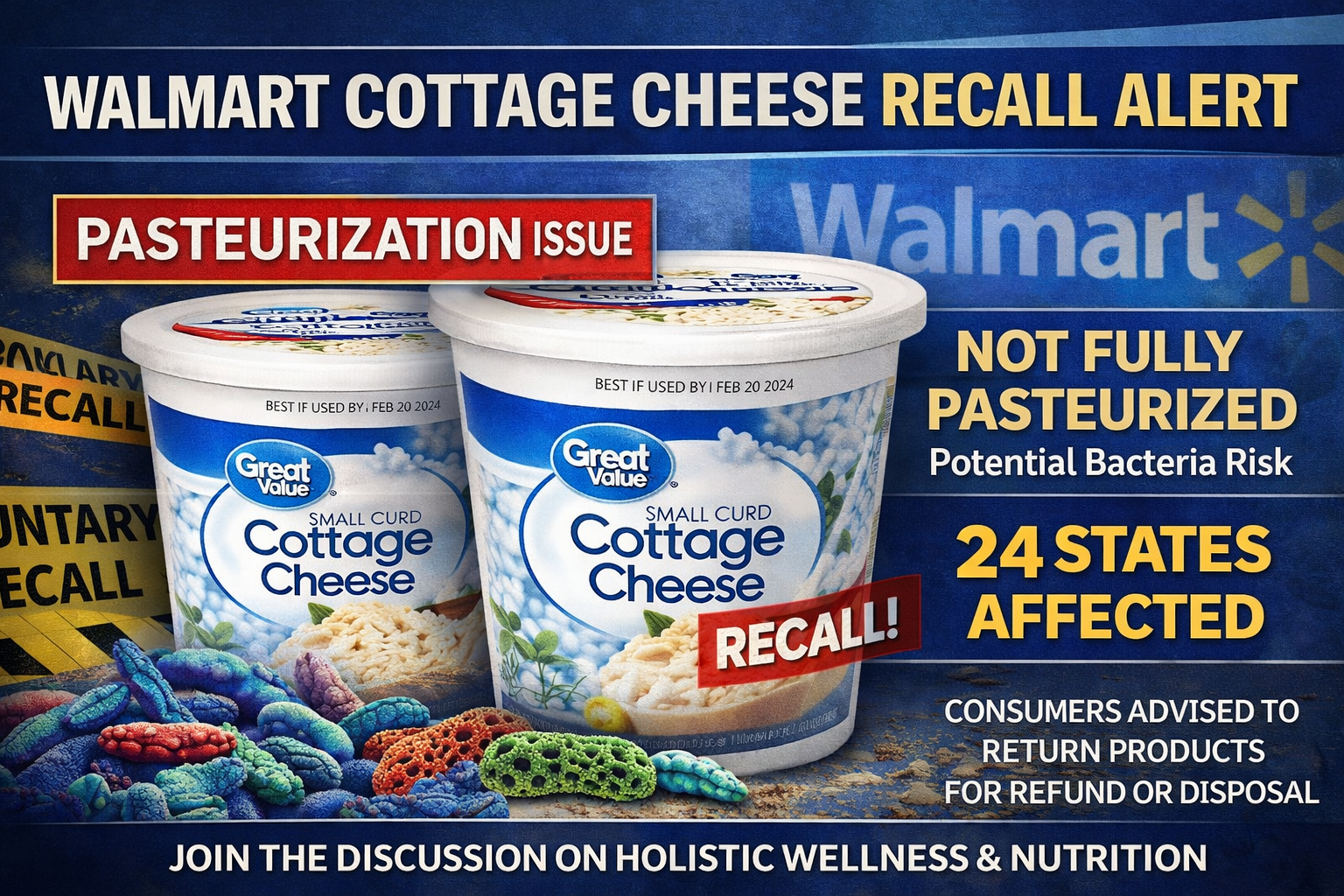
Great Value cottage cheese has been recalled voluntarily in 24 states in the U.S. following the realization that the cheese was not fully pasteurized during the production process. The company that manufactured the affected products under the Walmart brand also initiated the recall, which was Saputo Cheese USA Inc. The U.S. Food and Drug Administration officially issued the recall notice, which caused the issue to be in the spotlight nationwide.
Walmart stores and distribution centers distributed the products in various states. There have not been any reported illnesses yet, but the authorities underline that the recall was made due to precautionary measures so that the consumers could be safe in terms of health hazards.
Reason Behind the Recall
This recall is based on the fact that some batches of cottage cheese are not completely pasteurized. Pasteurization is the most important food safety procedure in the dairy manufacturing process, and it entails heating milk to a given temperature for a given time to eliminate unpleasant bacteria. In case this process is not fully completed or done in a wrong way, the pathogens can include Salmonella, E. coli, or Listeria that will remain alive in the product.
In a routine quality inspection and troubleshooting process, the manufacturer noticed a possible deviation in the pasteurization process. Although the contamination of bacteria was not revealed during the testing, the fact that there was a risk of under-pasteurization made the company act immediately and withdraw the affected batches.
According to food safety experts, voluntary recall is usually proactive, and it is meant to forestall potential health concerns before they occur. Pre-empting confirmed sickness reports is an indication of proactive risk management in the supply chain.
Products In the Recall
The recall involves various sizes and fat content of Great Value Small Curd Cottage Cheese. It is recommended that consumers be careful in the inspection of product labels, especially the UPC numbers and the printed date of the product on the containers of the goods that are marked with the label of Best If Used By.
The impacted products were sold between February 17 and 20, 2026, in such states as California, Texas, Illinois, Georgia, and others, 24 states in total. There is a possibility that a substantial number of households may be impacted by the recall because Walmart has a large customer base and is nationally distributed.
Those buyers of the products under recall are advised not to consume them. Rather, they are supposed to take the products back to Walmart to get all the money back or dispose of them in a safe manner.
Potential Health Risks
Though no diseases have been documented, incompleteness in pasteurization may predispose people to food-borne diseases. Lactate products that are not treated can have bacteria that can cause an infection. Foodborne illness is commonly associated with the following symptoms:
- Fever
- Diarrhea
- Nausea or vomiting
- Abdominal cramps
- Fatigue
Hospitalization can be necessary in more serious cases, which happen to be Listeria infections. Some of the vulnerable groups that are at a high risk of developing severe complications include pregnant women, older people, young children, and individuals with compromised immunity.
Health officials recommend that anyone who is having unexplained symptoms after taking cottage cheese visit health care facilities as soon as possible.
Distribution and Supply Chain Consideration
The magnitude of this recall shows the complexity of the contemporary food distribution systems. The big box stores, such as Walmart, obtain their items from large producers who have large manufacturing plants. One processing problem in one plant can impact products that will be shipped to several states in a matter of days.
Great Value and other brands like these that are owned by the company are popular because they are affordable and are available across a large number of retailers. Among others, cottage cheese has become one of the most popular in recent years as a high-protein meal that is popular among athletes, health-conscious consumers and families who are in need of healthy meal ingredients.
The recall highlights the need to have strict quality control measures at all levels of dairy production, including raw milk processing, packaging and shipping of the finished products.
Consumer Safety and Regulatory Oversight
The FDA contributes to food system transparency through the publication and monitoring of recalls. In case companies discover possible safety issues, they must disclose this information to the regulatory bodies, which in turn publish the information about the recall.
Voluntary recalls usually imply that a company is taking charge before the problem gets out of proportion. Regulatory authorities still keep an eye on such instances so that corrective measures can be taken and the impacted products can be successfully taken out of the market.
The consumers can be kept informed by checking the official FDA recalling listings or accessing the websites of retailers to stay updated. There is a particular need to be aware that refrigerated products, such as cottage cheese, can be stored in household refrigerators long after the date of purchase.
What Consumers Should Do
Consumers who have recently bought Great Value cottage cheese are requested to follow the steps as follows:
- Look at the container to verify the presence of matching UPCs and Best If Used By dates on the recall notice.
- Do not use any items from the affected batch range.
- Refund the goods or safely dispose of them at Walmart.
- Watch for the symptoms in case the product has already been taken.
Early intervention can be used to minimize a possible health risk. Though it is understandable to be worried about recalls, they are created with the purpose of ensuring the safety of the population and avoiding additional complications.
Extended Food Safety Implications
Food recalls act as a reminder that even the so-called everyday foods should be strictly controlled in terms of safety. Dairy products, being perishable in nature, require very precise temperature measures and need good monitoring during handling.
Over the years, technological advances in food production have increased the standards of safety to a high point. Nevertheless, it is still possible to have some procedural mistakes. Internal auditing, constant monitoring, and regulatory control are also important parts of the food safety system.
The recall shows how the dairy industry must be keen and transparent communication should exist between manufacturers, regulators, retailers and consumers.