
Non-Alcoholic Fatty Liver Disease (NAFLD) is emerging as one of the most common lifestyle-related health conditions, particularly in urban populations. Once considered a problem mainly linked to obesity or excessive alcohol consumption, fatty liver disease is now increasingly diagnosed among young adults and individuals with otherwise normal body weight. This shift reflects bigger changes in modern lifestyles, including poor dietary patterns, high stress levels, and reduced physical activity.
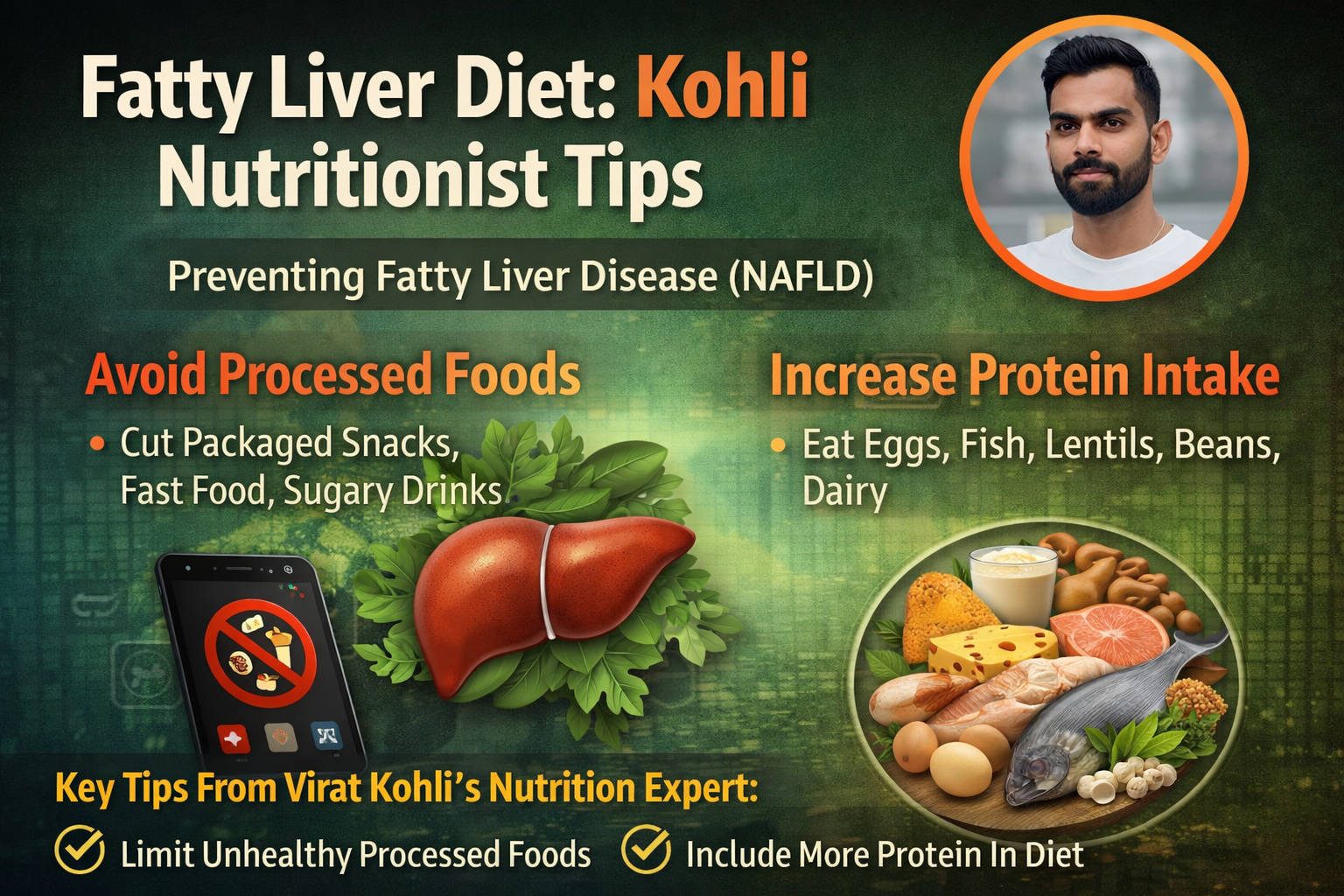
Recent insights from a nutrition expert associated with Virat Kohli highlight a straightforward but impactful message: avoiding processed foods and increasing protein intake can play a significant role in preventing and managing fatty liver disease. While the advice appears simple, it addresses some of the most critical factors contributing to the condition.
Fatty liver disease develops when excess fat accumulates in liver cells, often due to an imbalance between calorie intake and energy expenditure. Diets high in refined sugars, unhealthy fats, and processed foods contribute significantly to this imbalance. Over time, the liver struggles to process these nutrients efficiently, leading to fat deposition and potential inflammation. If left unmanaged, this condition can progress to more serious liver damage, including fibrosis or cirrhosis.
One of the primary recommendations is to eliminate or significantly reduce processed foods. These include packaged snacks, sugary beverages, fast food, and products made with refined flour. Such foods are typically high in trans fats, added sugars, and preservatives, all of which place additional strain on metabolic processes. Regular consumption of these items not only contributes to weight gain but also disrupts insulin sensitivity, a key factor in the development of fatty liver disease.
Another important dietary shift emphasized by experts is increasing protein intake. Protein plays a vital role in maintaining overall health by supporting muscle repair, regulating appetite, and improving metabolic efficiency. Including adequate protein in daily meals can help individuals feel fuller for longer periods, thereby reducing the tendency to overeat or snack on unhealthy options. This is particularly beneficial for individuals trying to manage or prevent fatty liver, as controlling calorie intake is essential.
A balanced diet that includes protein sources such as lentils, beans, eggs, dairy products, or plant-based alternatives can contribute to better liver health. The focus is not on extreme dietary restrictions but on making consistent, sustainable improvements in everyday eating habits. By replacing processed foods with whole, nutrient-dense options, individuals can significantly reduce the risk of metabolic disorders.
The dietary practices followed by Virat Kohli are often cited as an example of disciplined and mindful eating. His approach typically includes simple, home-cooked meals, minimal use of oil, and a strong emphasis on whole foods. Such habits underline the importance of consistency rather than complexity. Instead of relying on fad diets or quick fixes, maintaining a clean and balanced diet over time yields better health outcomes.
In addition to diet, lifestyle factors also play a crucial role in the development and management of fatty liver disease. Sedentary behavior, irregular meal timings, and frequent snacking contribute to metabolic imbalance. Many individuals today consume small amounts of food throughout the day without realizing that continuous calorie intake can strain the body’s ability to regulate energy effectively. Establishing structured meal patterns and incorporating physical activity can help restore balance.
Another contributing factor is the increasing consumption of sugar-sweetened beverages. These drinks provide excess calories without nutritional value and are rapidly absorbed into the bloodstream, leading to spikes in blood sugar levels. Over time, this can promote fat storage in the liver. Replacing such beverages with water, herbal teas, or other low-calorie options is a simple yet effective step toward better health.
It is also important to recognize that fatty liver disease does not always present immediate symptoms. Many individuals remain unaware of the condition until it is detected during routine medical tests. This makes preventive measures even more critical. Regular health check-ups, combined with a proactive approach to diet and lifestyle, can help identify and address the condition early.
The growing prevalence of fatty liver disease highlights the need for greater awareness about everyday dietary choices. While medical treatments are available for advanced stages, early intervention through lifestyle changes remains the most effective strategy. Small adjustments, such as reducing processed food intake and increasing protein consumption, can have a meaningful impact over time.
Ultimately, improving liver health does not require drastic changes but rather a commitment to healthier habits. Choosing whole foods over processed alternatives, maintaining a balanced diet, and staying physically active are practical steps that can be adopted by most individuals. As awareness continues to grow, such simple yet effective strategies can play a crucial role in addressing the rising burden of lifestyle-related diseases.